10 Sports Psychology Tips Every Young Tennis Player Should Know
Posted on
10 Sports Psychology Tips Every Young Tennis Player Should Know
Because winning starts in your mind
Playing tennis isn’t just about fast feet and strong serves—it’s also about having the right mindset. Sports psychology helps you train your brain to play at your best, stay calm under pressure, and bounce back when things don’t go your way. Here are 10 easy-to-understand sports psychology principles, with real tennis examples, to help you sharpen your mental game.
1. Positive Self-Talk
What you say to yourself matters. Saying “I can’t do this” can become a self-fulfilling prophecy. Try switching to: “I’ve practiced this—I can do it.” Example: After a double fault, instead of thinking “I always mess up my serve,” try “Shake it off. Focus on the next point.”
2. Visualisation (Mental Rehearsal)
Picture yourself hitting the perfect shot before you even swing. Your brain practices it—even without a racquet. Example: Before your match, close your eyes and imagine nailing that topspin forehand down the line.
3. Focus on What You Can Control
You can’t control your opponent or the weather—but you can control your effort, your attitude, and your next shot. Example: If your opponent is hitting winners, don’t stress. Focus on playing smart and staying in the rally.
4. Pre-Point Routines
Having a little ritual before each point helps calm your nerves and refocus your brain. Example: Bouncing the ball 3 times before serving, taking a deep breath, and visualising where you want the serve to go.
5. Growth Mindset
Mistakes aren’t failures—they’re chances to improve. Example: You miss an easy volley? Don’t get mad. Think: “Now I know what to work on at training.”
6. Confidence Through Preparation
Confidence doesn’t come from hoping—you earn it by preparing. Example: If you’ve practiced your second serve 100 times this week, you’ll trust it under pressure.
7. Staying in the Present
Don’t dwell on the point you just lost or worry about what’s next. Win the moment you’re in. Example: After losing the first set, don’t panic. Just focus on playing one point at a time in the second.
8. Setting Process Goals
Instead of just saying “I want to win,” focus on goals you can control. Example: “I’m going to move my feet every point” or “I’ll go for depth on my returns.”
9. Breathing to Stay Calm
When you feel nervous, take a few deep breaths. It helps slow your heart rate and clear your mind. Example: At deuce in a tight game, step back and take two slow breaths before returning serve.
10. Resilience (Mental Toughness)
Everyone makes mistakes. Champions bounce back. Example: You lose the first two games? Don’t give up. Keep fighting. Comebacks are real—and they start with belief.
Final Serve:
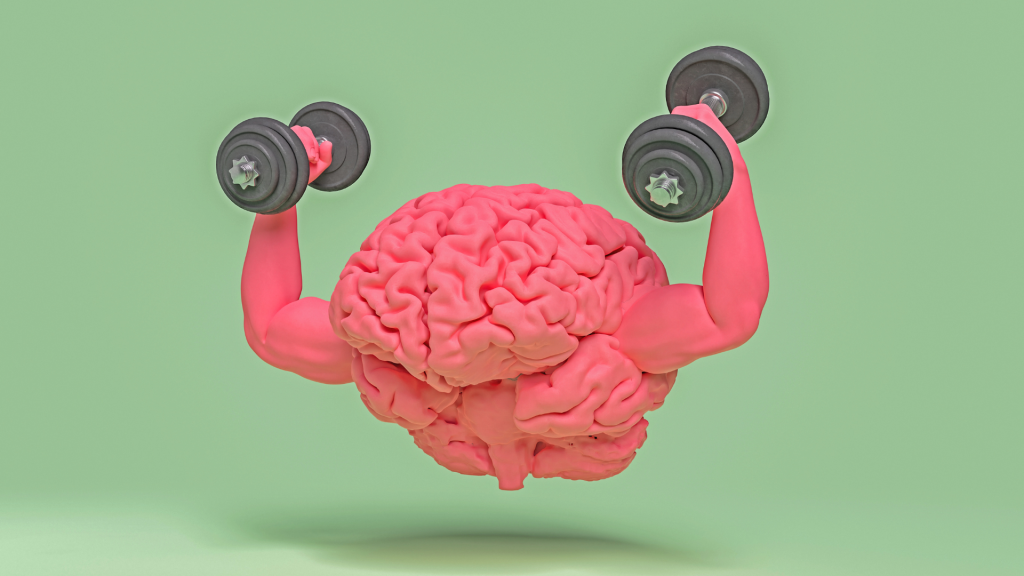
Your brain is just as trainable as your body. These 10 mental skills will help you stay cool under pressure, learn from your losses, and perform at your best. So next time you hit the court, bring your racquet—and your mindset.
Want help practicing these mental skills? Ask your coach, or start by picking just one to work on this week. You’ve got this.