When Ability Isn’t the Whole Story: Keeping Our Kids in Sport
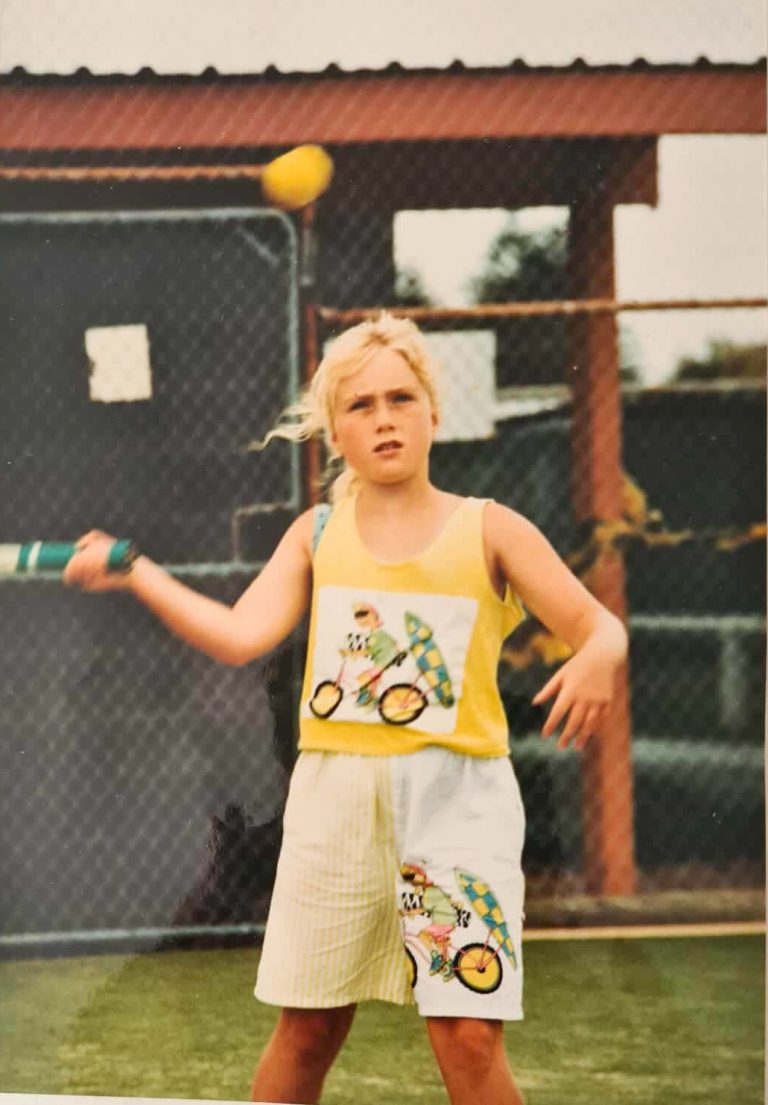
I’m going to say this as a mum first… and a coach second.
Because right now, the mum in me is frustrated.
My 12-year-old daughter is autistic (Level 1). If you’re raising or supporting a neurodivergent kid, you don’t need a textbook explanation – you live it. You know that every day comes with a different mix of energy, confidence, anxiety, and courage.
She’s not the most naturally athletic kid. But she does enjoy sport.
And more importantly she loves being around her friends.
That’s the bit I don’t think we talk about enough.
The Team That Made Sense… on Paper
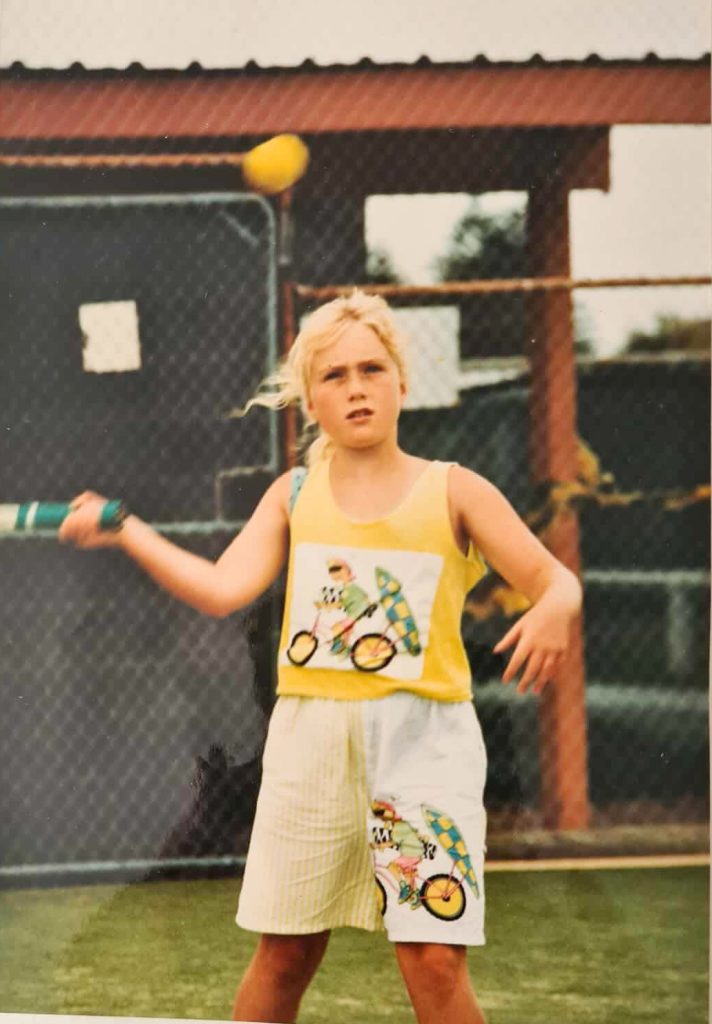
Last year, she was placed in a netball team with just one of her close friends. The rest were familiar faces, but not her people.
This year, it’s even clearer.
All of her friendship group? They’re in the A team. She’s in the B team.
Now, let me be really clear: this is not about denying ability.
The other girls are strong players. They deserve their spots.
From a purely performance-based lens, the decision makes sense.
But here’s the question I keep coming back to:
If we actually care about keeping kids in sport… is ability enough?
What the Data (and Common Sense) Tells Us
Diagnosis rates, particularly for autism in children, have increased significantly in New Zealand over the past decade (research here and here) with the most notable rise in girls. Experts caution this likely reflects improved recognition rather than a true surge in neurodiversity itself. But it means we know there are more kids than we thought, who view the world differently.
And we already know from organisations like Sport New Zealand (here’s their current Strategic Plan) that participation drops off (especially for girls) as they move into their teen years.
Not because they suddenly hate sport.
But because:
- It stops being fun
- It feels too serious
- They lose confidence
- Or… they lose connection
And connection is everything.
What Kids Really Need (Hint: It’s Not Just Winning)
As a coach, I’ve sat through the training sessions.
One of the key messages?
Only a tiny percentage of kids will go on to elite sport.
The rest?
They’re here to:
- move their bodies
- feel good
- build confidence
- and yes… hang out with their mates
So why do we keep selecting kids sports (I’ll repeat that, KIDS SPORTS) teams like we’re building elite squads?
The Missing Layer
Here’s where I think we’re getting it wrong.
Team selection often stops at:
✔️ Skill
✔️ Performance
✔️ Game impact
But what if we added one more layer?
👉 Connection
- Who feels safe together?
- Who encourages each other?
- Who actually enjoys being on court together?
Because when kids feel comfortable:
- they try more
- they speak up
- they bounce back quicker
- they stay
And staying in sport? That’s the real win.
The Neurodivergent Reality
For kids like mine, this stuff matters even more.
Walking into a team without your people isn’t just “a bit uncomfortable.”
It can feel overwhelming. Isolating. Anxiety-inducing.
And when that happens?
You don’t see it straight away, but slowly:
- enthusiasm drops
- effort dips
- anxiety rises
- and eventually… they want out
Not because they don’t like sport.
But because sport stopped feeling like a place for them.
The Coach Perspective
Now let me switch hats for a second 🎾
I coach kids. I build groups. I make these calls too.
And I know:
- you can’t make everyone happy
- you’ve got competing priorities
- you’re often volunteering your time
But here’s the shift I try to make in my own coaching:
I don’t just ask “What do I want from this player?”
I ask: 👉 “What does this player need to feel successful?”
Sometimes that’s:
- a friend nearby
- clearer instructions
- more encouragement
- less pressure
And when I ask kids directly:
- “What are you enjoying?”
- “What do you want to work on?”
You’d be surprised… it’s rarely “I just want to win.”
The Parent–Coach Gap
I’ll be honest: I’m one of those parents.
I speak up. I advocate. I explain what my daughter needs.
And yep… I feel those eye-rolls.
But here’s the thing:
- Not every parent will do that.
- Not every kid can say what they need.
So if we don’t create space for those conversations we miss a whole group of kids who quietly drift away.
So What’s the Answer?
It’s probably not one thing, it’s a mix.
👉 Coaches and parents need better conversations
👉 Clubs need to think beyond just performance
👉 Sports bodies need to actively support inclusion, not just talk about it
And maybe, just maybe… team selection needs to evolve. Not to remove ability, but to balance it.
Because Here’s What I’m Seeing
A capable, kind, 12-year-old…
Losing interest.
Feeling more anxious.
Pulling back.
Not because she doesn’t want to play.
But because she doesn’t feel like she belong.
Final Thought (From Both Hats)
If we want kids to stay in sport, we need to look beyond the scoreboard.
We need to build environments where:
- they feel safe
- they feel connected
- they feel seen
Because when kids feel like they belong… they’ll keep showing up. And that’s where everything good starts 💛